Retaining Wall Construction
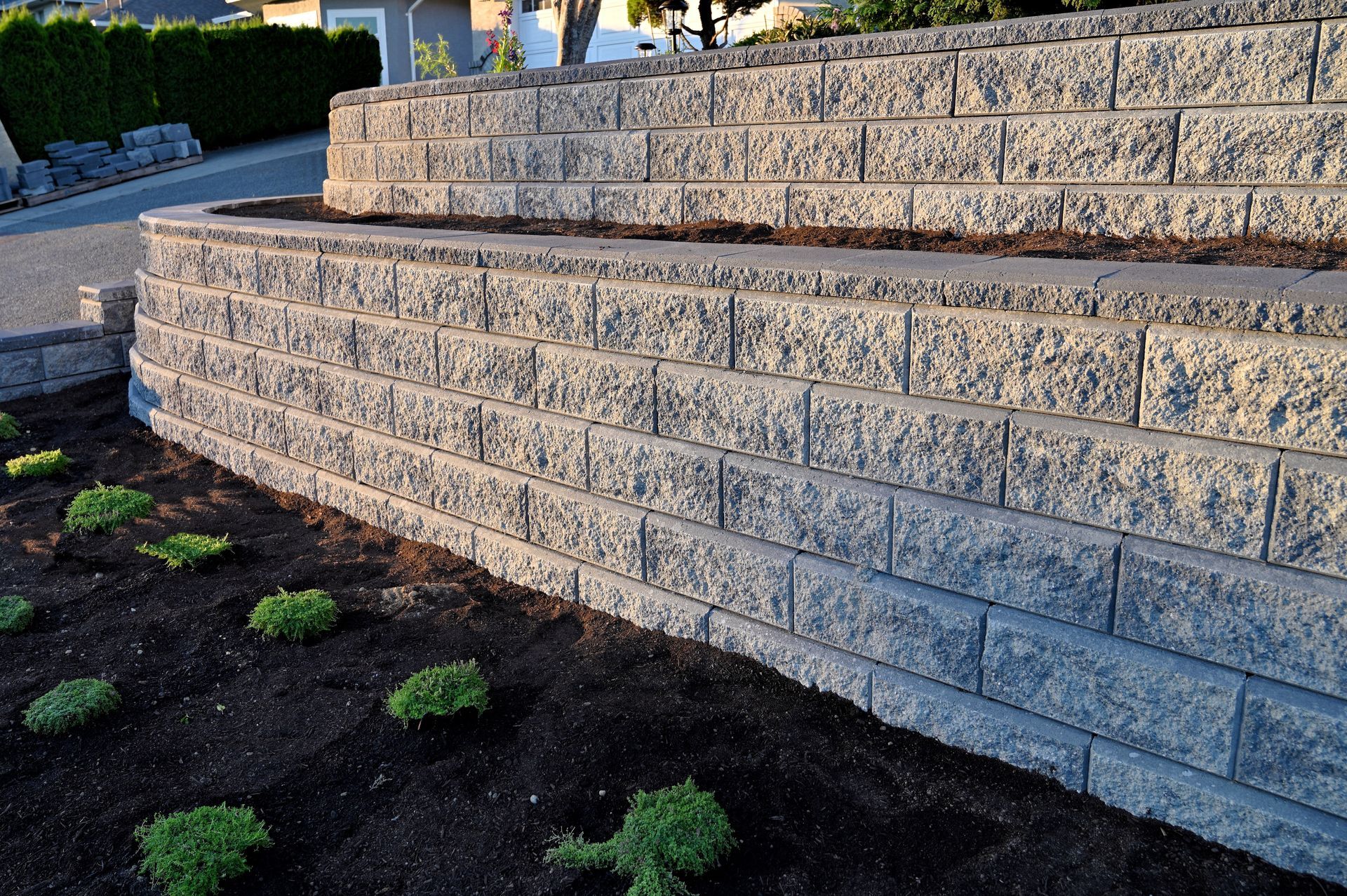
Walls Built to Hold Slope and Manage Water
Retaining wall construction in Arab for residential and commercial sites where slope movement or drainage failure has caused or is likely to cause property damage
Marshall County terrain includes significant grade changes across residential lots, and seasonal rainfall in Arab creates hydrostatic pressure behind improperly drained walls—the primary cause of retaining wall failure in this region. Barnes Contracting builds residential and commercial retaining walls in Arab, Alabama to address slope instability and drainage problems that cause property erosion, access issues, and foundation exposure. Property owners dealing with sloping lots that lose material after rain, or sites where water runs across paved areas instead of away from structures, typically need wall and drainage work handled together.
The construction sequence begins with excavation, base compaction, and drainage installation—typically a perforated pipe and gravel system behind the wall that redirects water before pressure builds. Material selection follows: concrete block, poured concrete, or natural stone each have different structural and drainage characteristics that affect which is appropriate for the site geometry and load condition. Barnes Contracting coordinates wall construction with site work and drainage systems so the finished installation manages water movement as well as holds grade.
Arrange a site visit to assess slope conditions and identify where drainage and wall work are needed on your property.
What Retaining Walls Actually Prevent Long-Term
A retaining wall without drainage behind it accumulates hydrostatic pressure during and after rain events. That pressure acts horizontally against the wall face; over time it causes tipping, cracking at the base, or outright failure. Installing a drainage layer—typically crushed stone and perforated pipe at the footing level—allows water to exit the retained area rather than pressing against the structure.
After a properly drained retaining wall is built, property owners stop seeing material migrate downslope after rain, and water that previously pooled against structures or ran across walkways redirects through the drainage system. The slope holds its position, access areas stay clear, and the wall face remains plumb rather than beginning the slow lean that signals pressure buildup.
Wall height and soil type determine whether engineering is required. Walls under four feet on stable soil typically fall within standard construction practice; taller walls or those retaining saturated or expansive soil may require a structural drawing specifying footing size, reinforcement, and drainage design. Barnes Contracting coordinates with structural engineers when the scope exceeds what standard practice covers.
Common Questions Before Starting Retaining Wall Work
Retaining wall projects in Arab involve drainage decisions that affect whether the wall performs over time or develops problems within a few seasons.
What drainage system goes behind a retaining wall?
A typical installation includes a gravel backfill zone directly behind the wall and a perforated pipe at the footing level that carries water away from the retained area before pressure can build.
How does wall material selection affect performance?
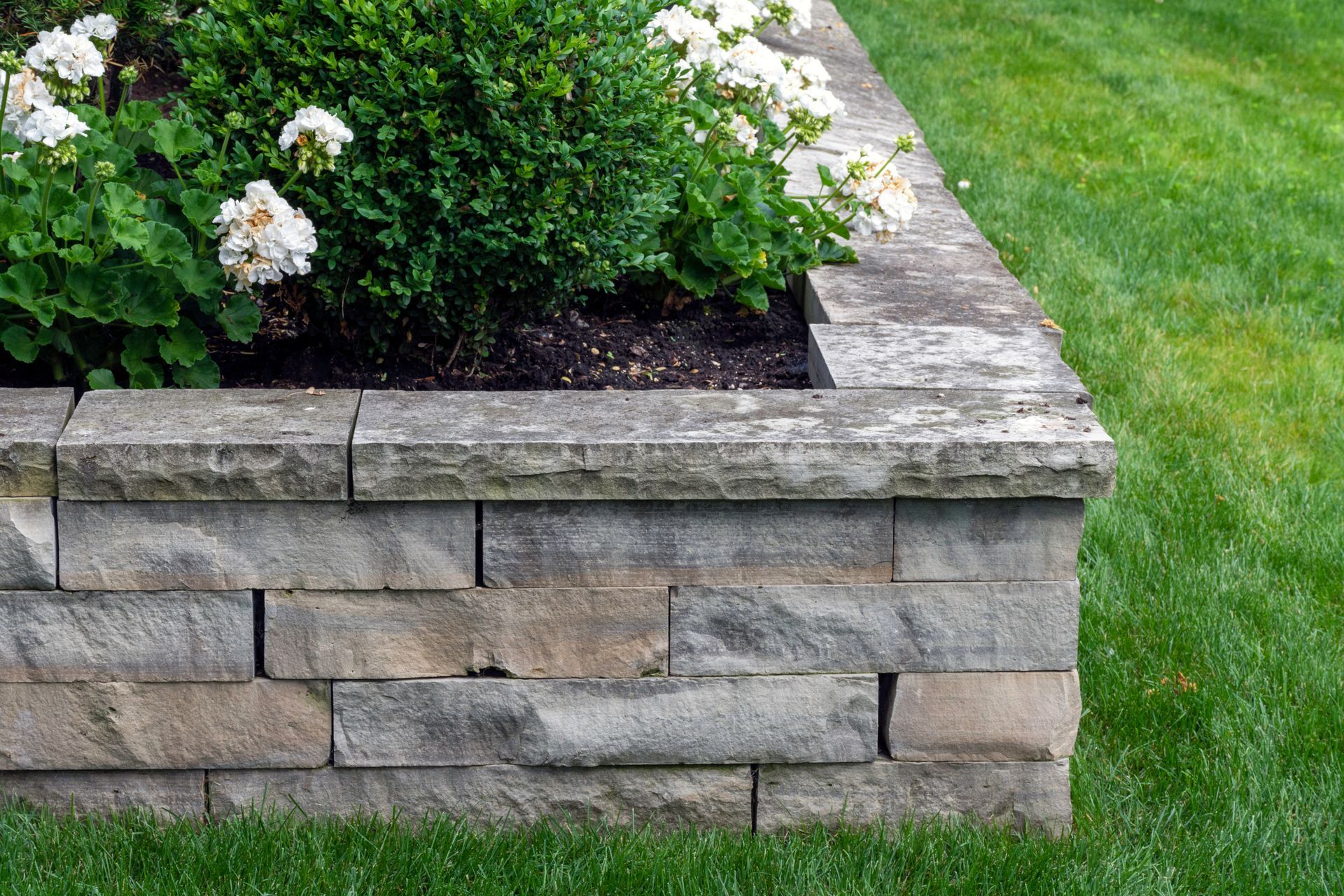
Concrete block offers modular adjustability for curved or tiered layouts; poured concrete provides a monolithic structure for high-load applications; stone works where drainage is naturally accommodated by open joints.
When does a retaining wall require an engineer?
Walls over four feet in height, walls retaining soil with high clay content, or walls near structures where failure would cause damage typically require engineered drawings before construction begins.
Why does backfill type matter behind a retaining wall?
Clay-heavy backfill holds water and increases the pressure acting against the wall; granular fill drains more freely and reduces long-term lateral load.
What site conditions in Arab affect retaining wall construction?
Steep lots with exposed clay soil, common in Marshall County's hillier areas, require more aggressive drainage design because clay retains water and amplifies the hydrostatic load on the wall.
Barnes Contracting evaluates slope and drainage conditions before scoping retaining wall work in Arab—schedule a site assessment to review grade, soil type, and drainage needs before construction begins.