Concrete Repair
Stopping Cracks Before They Spread Further
Concrete Repair in Huntsville for damaged, cracked, and settling slabs requiring patching or replacement sections
Huntsville's freeze-thaw cycles and aging concrete inventory create ongoing repair demand, especially in Five Points and South Huntsville where older driveways, patios, and walkways show cracking, settling, and surface erosion. Repair scope is determined through a site visit where the damage is documented visually and evaluated based on severity, with options ranging from patching and sealing to full section replacement depending on whether the underlying cause has been addressed. Barnes Contracting assesses concrete damage using the same expertise applied to new pours, so repair recommendations account for whether the slab can be salvaged or whether replacement is the more cost-effective long-term solution.
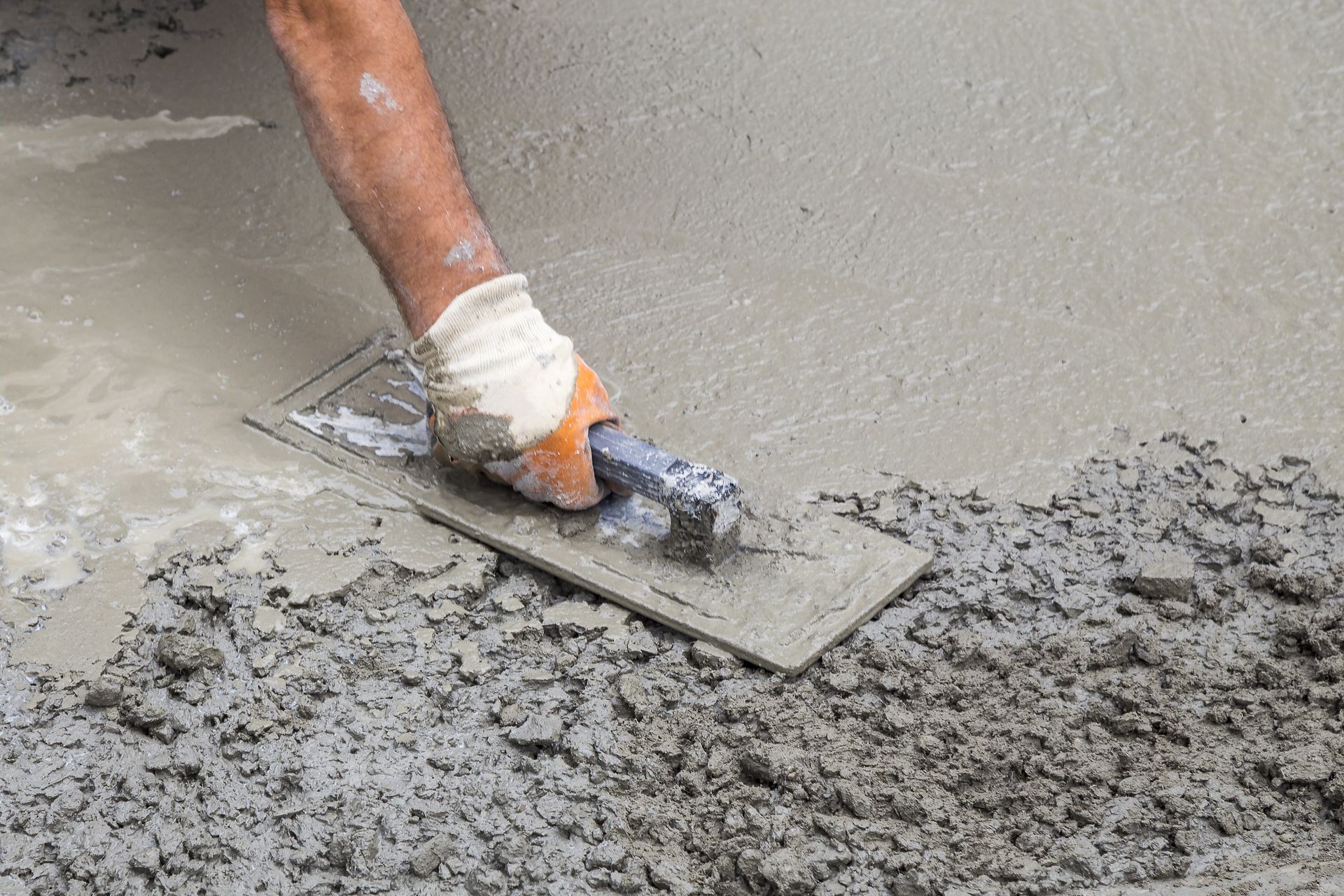
Concrete repair addresses surface cracking, structural damage, and settling caused by subgrade movement, with the approach varying based on whether the damage is cosmetic or indicates deeper foundation issues. Patching works for isolated cracks that haven't compromised the slab, while grinding and sealing address surface wear, and replacement sections are required when the concrete has shifted or cracked beyond what surface repairs can fix.
Arrange a site visit to receive a repair assessment and detailed estimate based on the current condition of your concrete.
Why Damage Happens and How to Stop It
Concrete cracks and settles when the subgrade shifts due to poor compaction, water infiltration, or freeze-thaw movement that expands and contracts the soil beneath the slab. Repairing the visible damage without addressing the underlying cause leads to repeated failures, so proper repair involves stabilizing the base, filling cracks to prevent water entry, and sealing surfaces to reduce moisture penetration that accelerates deterioration.
After repair work is complete, you'll notice that cracks are filled and sealed so they no longer widen or collect water, and if sections were replaced, the new concrete sits level with the surrounding slab without trip hazards or visible settlement. The repair restores both function and appearance, and when done correctly, prevents the same damage from recurring in the short term.
The Jobber estimate system used by Barnes Contracting provides visual documentation of the damage and clear line-item pricing for each repair option, so you can evaluate whether patching, sealing, or section replacement makes the most sense for your situation. Concrete expertise spanning placement, finishing, and repair allows accurate assessment of what's required to fix the problem rather than just covering it temporarily.
Questions Before Starting Your Repair
Homeowners dealing with cracked or settling concrete often need clarity on what repair approaches are available and how to decide between patching and full replacement.
What's the difference between patching and replacing a concrete section?
Patching fills cracks and surface damage without removing the slab, while section replacement involves cutting out and removing damaged concrete and pouring a new section. Patching works when the underlying slab is still structurally sound, but replacement is required when the concrete has shifted, broken apart, or cracked so severely that patching won't hold.
How do you determine whether concrete can be repaired or needs replacement?
The decision depends on crack width, whether the slab has settled or remained level, and whether the damage is isolated or widespread. Narrow surface cracks can be sealed, but wide structural cracks or slabs that have moved relative to adjacent sections typically require replacement.
Why does freeze-thaw damage affect concrete in Huntsville?
Water enters cracks or porous concrete, freezes during winter cold snaps, and expands, which widens cracks and breaks apart the surface over repeated cycles. Sealing concrete reduces water infiltration and limits freeze-thaw damage, but once cracking has started, it must be repaired to prevent further deterioration.
What causes concrete to settle after it's been in place for years?
Settlement occurs when the subgrade beneath the slab compacts unevenly, erodes due to water flow, or shifts due to soil movement. Repairing settled concrete requires addressing the subgrade issue, not just leveling the surface, or the same settlement will happen again.
When should concrete repair be scheduled to avoid further damage in North Alabama?
Repair should be completed before winter if cracks are present, since freeze-thaw cycles will worsen the damage. Sealing and patching during dry weather ensures materials bond properly and have time to cure before exposure to moisture.
Barnes Contracting provides professional repair assessment with visual documentation and transparent pricing, and the same crew that handles new concrete work also manages repairs. Schedule a site evaluation to review your concrete damage and receive a detailed repair estimate.