Concrete Installation
Foundations Poured Right the First Time
Concrete Installation in Huntsville for residential and commercial projects requiring foundation slabs and site preparation
Clay soils and seasonal frost cycles across Huntsville and Marshall County determine how concrete performs long-term—improper placement technique leads to cracking, settlement, and moisture intrusion that shows up months after the pour. Barnes Contracting installs concrete for residential and commercial projects, working through established relationships with general contractors who assign foundation and slab work based on timeline precision and pricing consistency. The company has generated over a quarter-million in revenue since launching in June, built on a cold-call bid process that delivers price lists and estimates directly to GCs who layer their markup and award contracts. Homeowners and commercial property owners see the results once framing starts, when slabs are level, footings are properly sized, and site preparation prevents drainage issues before walls go up.
The installation process begins with site prep—excavation to proper depth, compacted base material, vapor barriers on residential slabs, and formwork that establishes final elevations and drainage slopes. Quotes and estimates are attached to blueprints in Jobber, allowing scope verification and change-order management when site conditions differ from design assumptions. General contractors feed a steady project pipeline across Five Points, South Huntsville, Arab, and Guntersville, with both residential foundation work and commercial slab installations managed through the same professional estimate system.
Request a project estimate through your general contractor to include concrete installation in your construction timeline.
Why Placement Technique Works for Alabama Soils
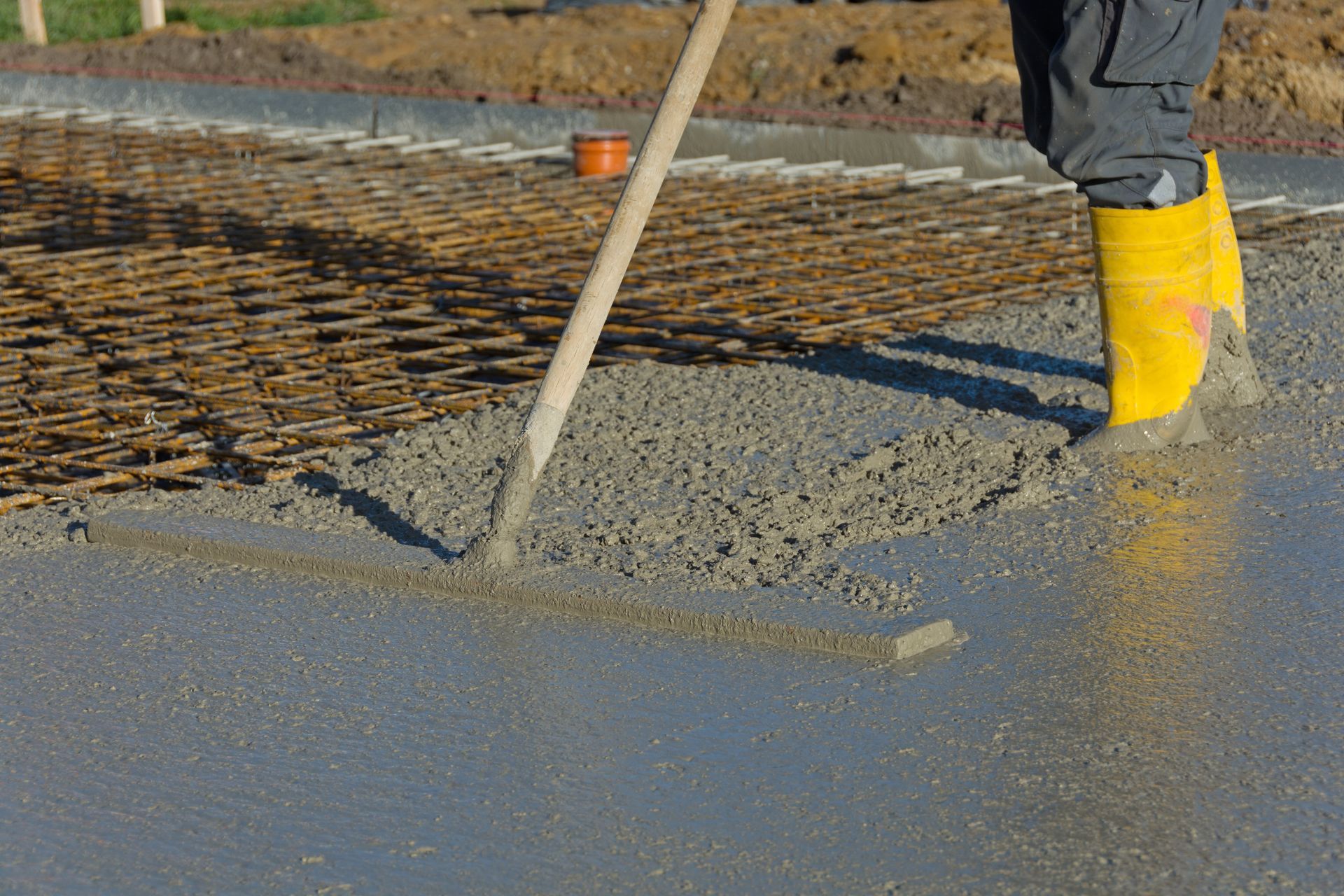
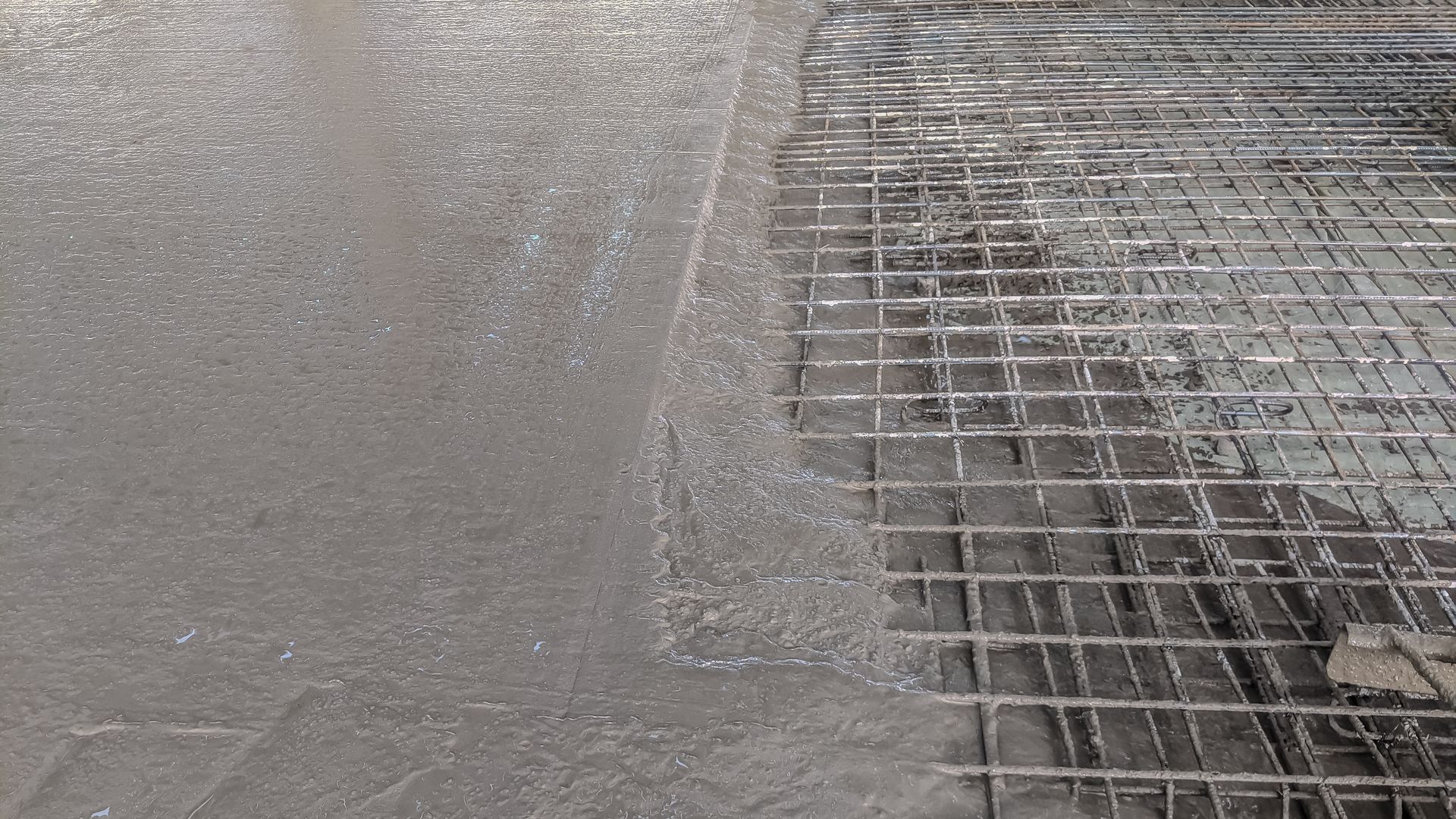
Concrete placement accounts for base compaction, moisture control, and proper curing procedures that prevent cracking in Alabama's temperature swings and humidity levels. Barnes Contracting uses blueprint markup capability to verify rebar placement, control joint spacing, and thickness specifications before the pour begins, ensuring that structural requirements match what the engineer designed. Cold joints are avoided by coordinating truck schedules so concrete arrives continuously rather than in batches with long gaps that allow partial curing between loads.
Once concrete cures and formwork is removed, you'll see smooth surfaces without honeycomb voids, control joints placed at intervals that manage shrinkage cracking, and edges that meet grade elevations without requiring excessive fill or grinding. Slabs will drain properly without low spots where water collects, and anchor bolts for framing are positioned accurately so wall plates mount without shimming or adjustment. Residential foundations include proper footing depth for frost protection, while commercial slabs carry the thickness and reinforcement specified for equipment loads and traffic patterns.
The scope covers residential and commercial work, but timelines depend on weather windows—concrete cannot be placed during freezing conditions or heavy rain, and extreme heat requires additional curing precautions to prevent surface crazing. General contractors coordinate sequencing so concrete work aligns with excavation completion and allows adequate cure time before framing crews arrive on-site.
Common Questions About This Service
Foundation and slab projects involve technical decisions about placement methods, curing procedures, and coordination with other construction phases. These questions reflect concerns from general contractors and property owners managing projects across Huntsville and surrounding areas.
What causes concrete slabs to crack in Huntsville's clay soils?
Clay expands when wet and shrinks during dry periods, creating movement under slabs that causes cracking if the base isn't properly compacted and thick enough to bridge soft spots without flexing.
How does the cold-call bid process work with general contractors?
Price lists and estimates are sent to GCs for specific projects, contractors add their markup, and jobs are awarded based on price competitiveness and ability to meet construction timelines without delays.
Why do commercial slabs require different specifications than residential foundations?
Commercial projects carry heavier equipment loads, more foot traffic, and stricter flatness tolerances for machinery installation, requiring thicker concrete, denser rebar grids, and harder troweled finishes.
When should concrete be poured to avoid weather delays in Alabama?
Late spring and fall offer the most stable conditions, avoiding winter freezes that prevent proper curing and summer heat that accelerates surface drying and increases cracking risk.
What role does blueprint attachment play in the estimate process?
Blueprints provide exact dimensions, reinforcement details, and elevation requirements that ensure quotes match project scope and prevent disputes when site conditions align with design documents.
Barnes Contracting coordinates concrete installation across residential and commercial projects in Huntsville and Marshall County, managing scope through professional estimates with blueprint integration and delivering timeline precision that keeps construction schedules on track. Contact your general contractor to include concrete work in your project bid.